
The M7 reality: still mostly required
"Test-optional" headlines have made GMAT/GRE waivers sound far more universal than they actually are at the top tier. Six of the seven M7 programmes, Harvard, Stanford, Wharton, Chicago Booth, Columbia, and Northwestern Kellogg, maintain full test requirements for every applicant. MIT Sloan is the only M7 exception, and even there, waivers are granted case by case when an applicant documents a genuine barrier to submitting a score, not as a routine opt-out.
If your target list includes six of the seven M7 schools, "GMAT-waived" is very likely not a real option, regardless of what you've read about test-optional trends elsewhere.
Schools with real waiver routes
Outside the M7, schools including NYU Stern, UT Austin McCombs, University of Washington Foster, and UCLA Anderson offer more genuine, routine waiver pathways. Typical eligibility criteria include a strong quantitative undergraduate GPA (finance, engineering, economics), professional certifications like CFA, CPA, FRM, or PMP, analytics- or data-heavy work experience, an existing advanced degree (master's, PhD, JD, MD), or demonstrated leadership with measurable business impact.
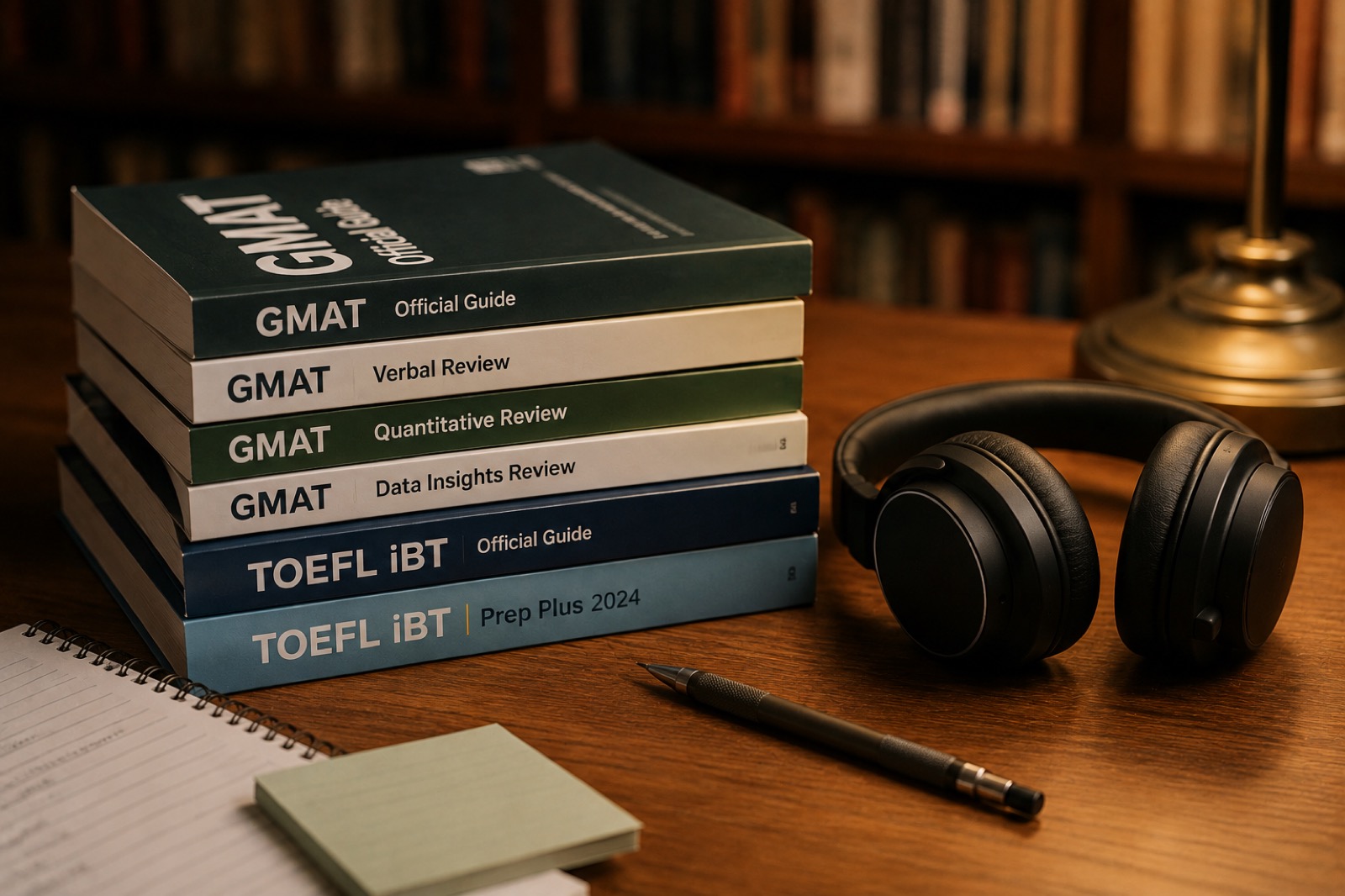
The English test you can't skip
Even at schools that waive the GMAT or GRE, most still require proof of English proficiency for international applicants, typically TOEFL or IELTS, with PTE or TOEIC sometimes accepted as alternatives. Getting a GMAT waiver doesn't mean skipping standardized testing altogether; it usually just changes which test is actually mandatory.
Waiver request timing
Most schools recommend submitting a waiver request at least 3 to 4 weeks before the application round deadline, since the decision itself typically takes 10 to 14 business days. Applying for a waiver at the last minute risks either missing the deadline or being forced to submit a rushed test score instead.
Key takeaways
- Six of seven M7 schools still require GMAT/GRE from every applicant; MIT Sloan is the sole case-by-case exception.
- NYU Stern, UT Austin, Washington Foster, and UCLA Anderson offer more routine waiver routes.
- A GMAT/GRE waiver rarely means skipping TOEFL/IELTS too.
- Request waivers 3-4 weeks before your deadline; decisions take 10-14 business days.
Frequently asked questions
Do all top MBA programmes require the GMAT or GRE?
Six of the seven M7 programmes, Harvard, Stanford, Wharton, Chicago Booth, Columbia, and Kellogg, require a GMAT, GRE, or Executive Assessment score from every applicant. MIT Sloan is the exception, granting waivers only when an applicant documents a genuine barrier to submitting a score.
If my GMAT or GRE is waived, do I still need IELTS or TOEFL?
Usually yes. Most programmes that waive the standardized admissions test still require proof of English proficiency through TOEFL, IELTS, or an accepted alternative like PTE, for international applicants.
How far in advance should I request a test waiver?
Most schools recommend submitting a waiver request at least 3 to 4 weeks before the application round deadline, since decisions typically take 10 to 14 business days.
What makes an applicant a strong candidate for a GMAT/GRE waiver?
Schools that offer waivers typically look for a strong quantitative undergraduate GPA, professional certifications like CFA, CPA, FRM, or PMP, analytics-heavy work experience, an existing advanced degree, or demonstrated leadership with measurable business impact.
Not sure which tests your target schools actually require?
Book a free strategy call and we'll map your test-prep plan against your real school list together.
Book your free strategy call →Keep reading
Sources & further reading
- Part-time MBA test waiver policy — NYU Stern (official)
- GMAT/GRE waiver eligibility surveys — GMAC and business school admissions consulting analysis, 2026 cycle